
Services
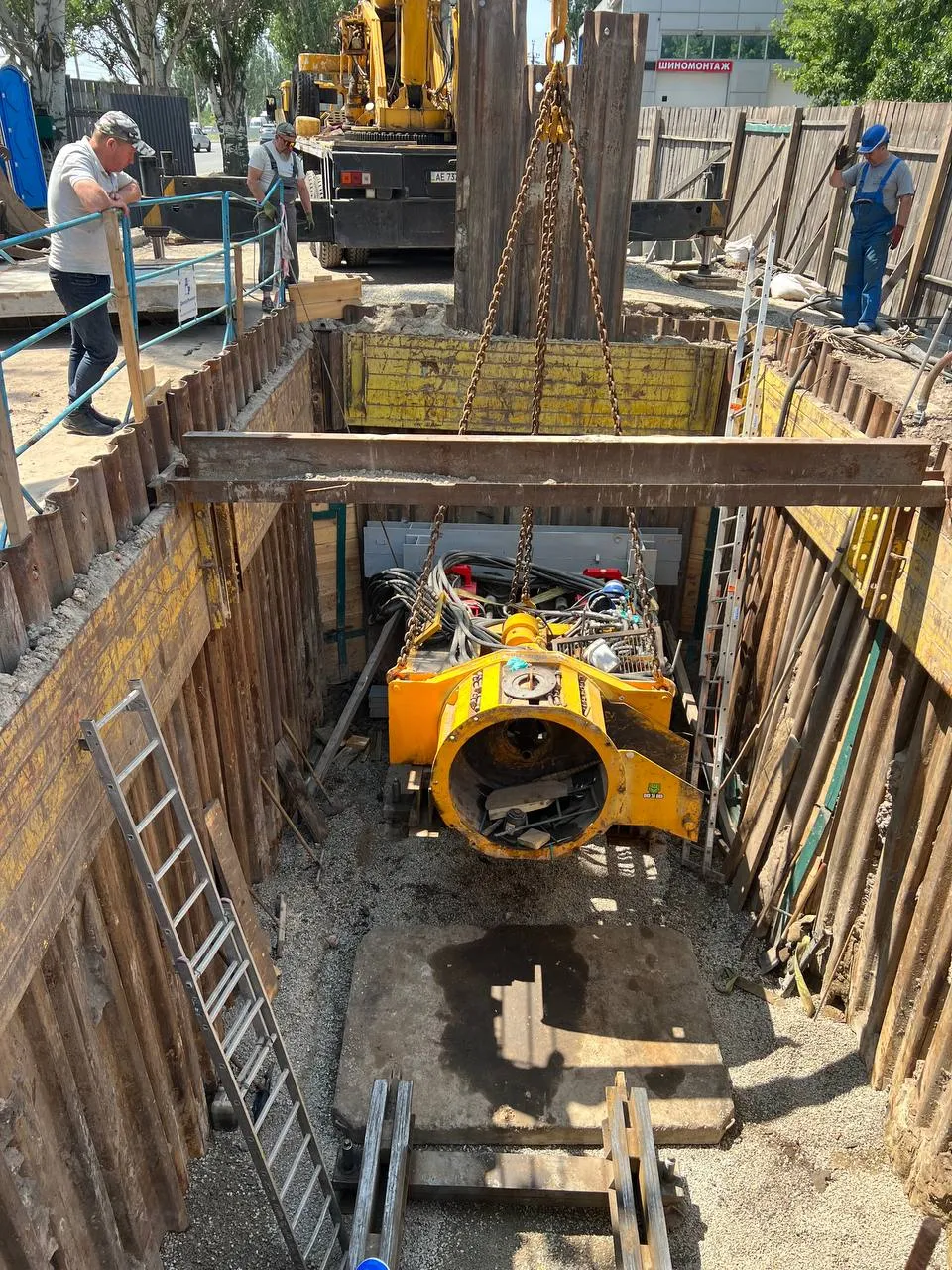
Construction dewatering
Lowering the groundwater level with wellpoint systems and pumping solutions — for safe work in pits and trenches.
Process
How the work is carried out
A simplified scheme of the key stages. Scroll to see the sequence.
01 Groundwater
02 Pumping
03 Dry area
Typical applications
- Construction in water-saturated soils
- Protecting pits and trenches from flooding
- Ensuring excavation wall stability
- Supporting our own network installation work
Things to consider
- The dewatering scheme is designed from the site’s hydrogeological data
- Space for the units and water discharge is required
Technical capabilities
Methods
wellpoint systems, open pumping
Selection data
groundwater level, soil type, excavation depth
Work stages
- 01
Survey
Site visit, initial data collection; tracing and video diagnostics if needed.
- 02
Estimate & quote
Engineering calculation, technology and material selection, commercial proposal.
- 03
Preparation
Method statement, equipment mobilization, pit and site setup.
- 04
Execution
Work under the approved design with quality control at every stage.
- 05
Testing & handover
Pressure testing, video check, as-built documentation, acceptance act.
What the customer gets
- Acceptance act and as-built documentation
- Testing / pressure test results
- Warranty obligations
FAQ
What data is needed to design dewatering?
Groundwater level, soil type, pit/trench dimensions and depth, work duration. A hydrogeological report if available.
Where is the water discharged?
To storm drains, sewerage or terrain as agreed — the discharge scheme is defined in the design.